Chicago, IL
The symbolic starting point. The place where the idea stopped being a dream and became a ride.
A personal motorcycle journey across America’s most iconic road, told through photography, road notes, coffee stops, small towns, and the search for the next chapter.
Last year, the story carried me from Chicago toward Amarillo. The next chapter points west: Amarillo to Santa Monica for the Route 66 Centennial.
Follow the ride. Sponsor a mile. Support a stop. Join part of the road. Become part of the story.
The first Route 66 chapter was built around motorcycles, photography, exploration, coffee, and adventure. It was not only a route. It was a way to combine the things that keep pulling me back to the road.
The symbolic starting point. The place where the idea stopped being a dream and became a ride.
History, old-road character, and the first rhythm of a long motorcycle story.
Small towns, classic roadside energy, and the slow shift into plains and western distance.
Route 66 murals, giant roadside characters, Cadillac Ranch, Amarillo markers, and the kind of stops that make the Mother Road wonderfully strange.
The end of the first chapter and the starting line for the ride west.
New Mexico, Arizona, the Mojave, and the final pull toward the Pacific.
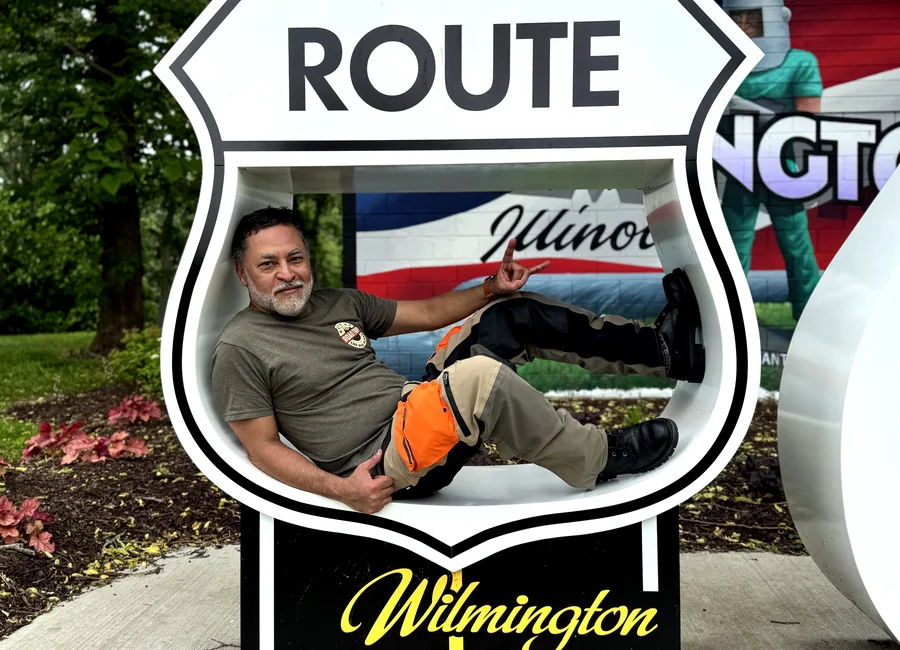
A personal road marker from the 2025 ride and a natural Sponsor a Mile visual.
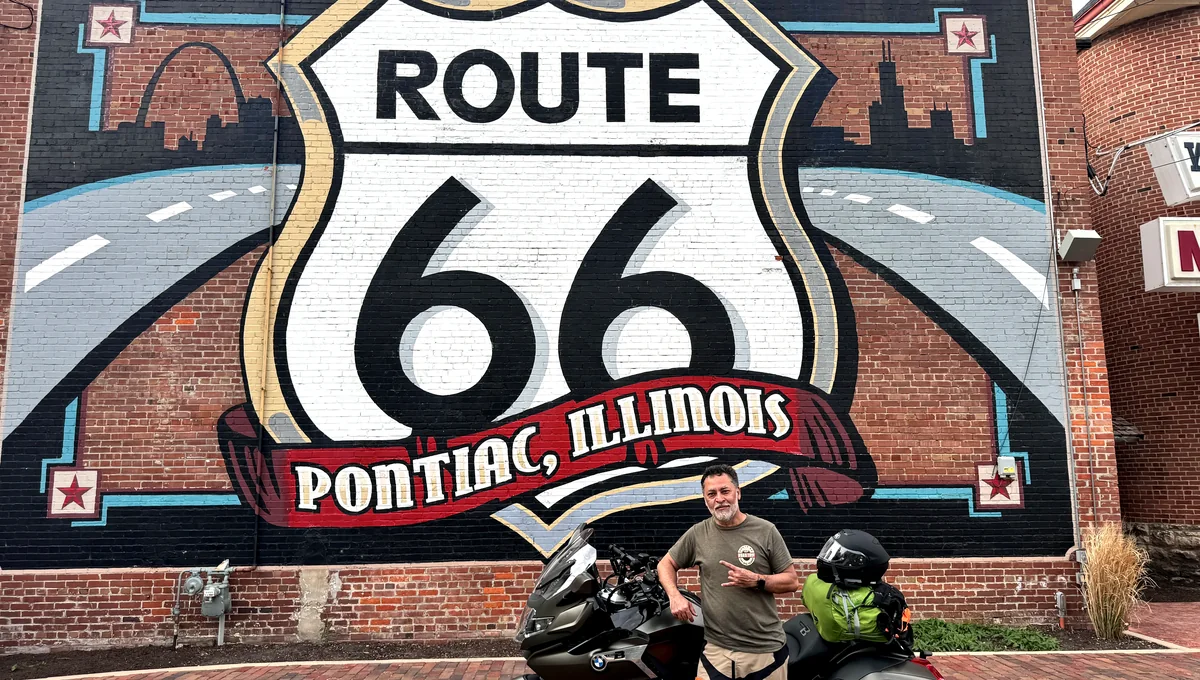
One of the strongest visual anchors from the eastern chapter.
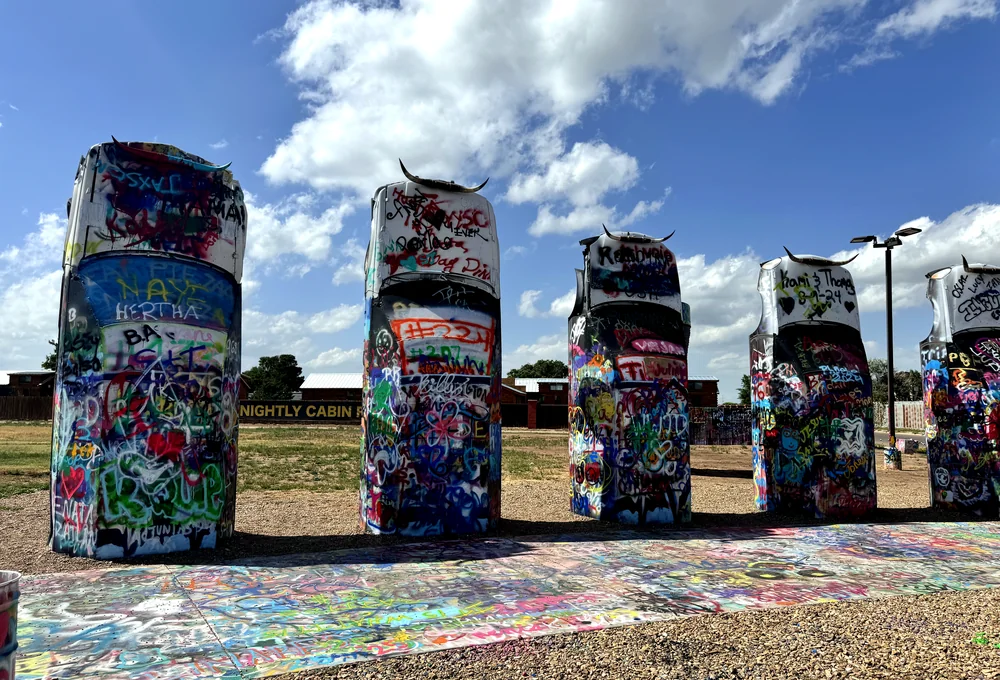
Color, history, graffiti, and the kind of strange stop Route 66 does best.
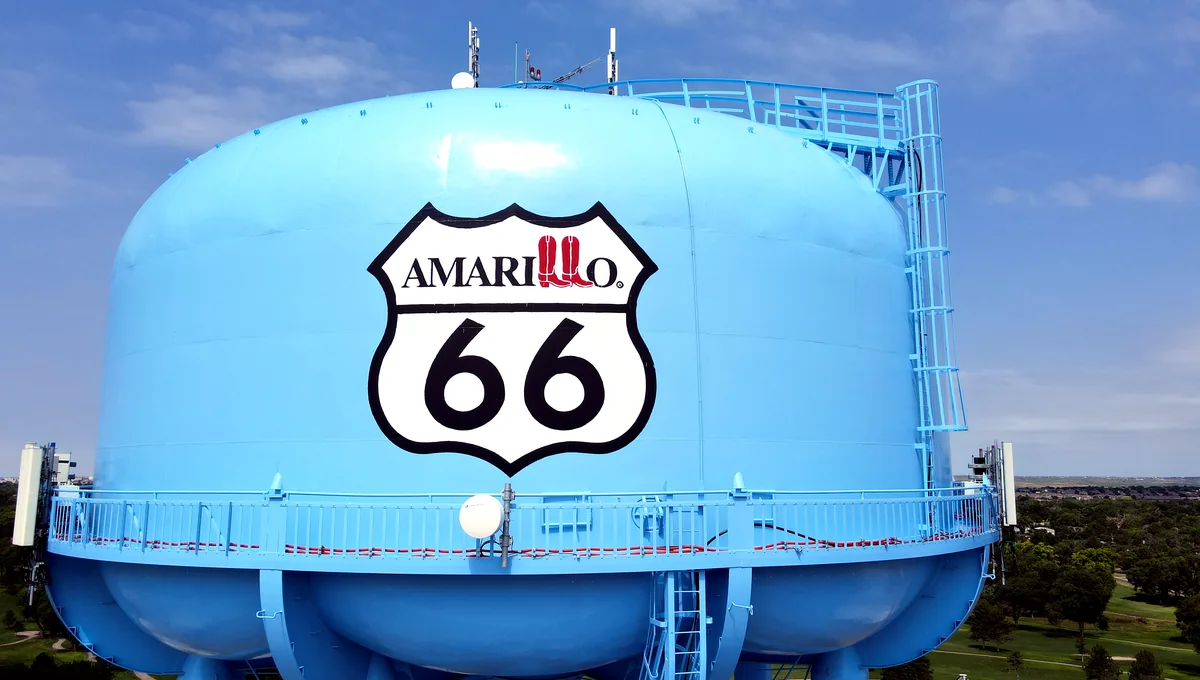
A clean visual bridge between the 2025 ride and the 2026 continuation.
A first edited selection from last year’s Route 66 ride. These are the photographs that start making the project feel real: motorcycle stops, murals, roadside art, small-town signs, and quiet open-road moments.
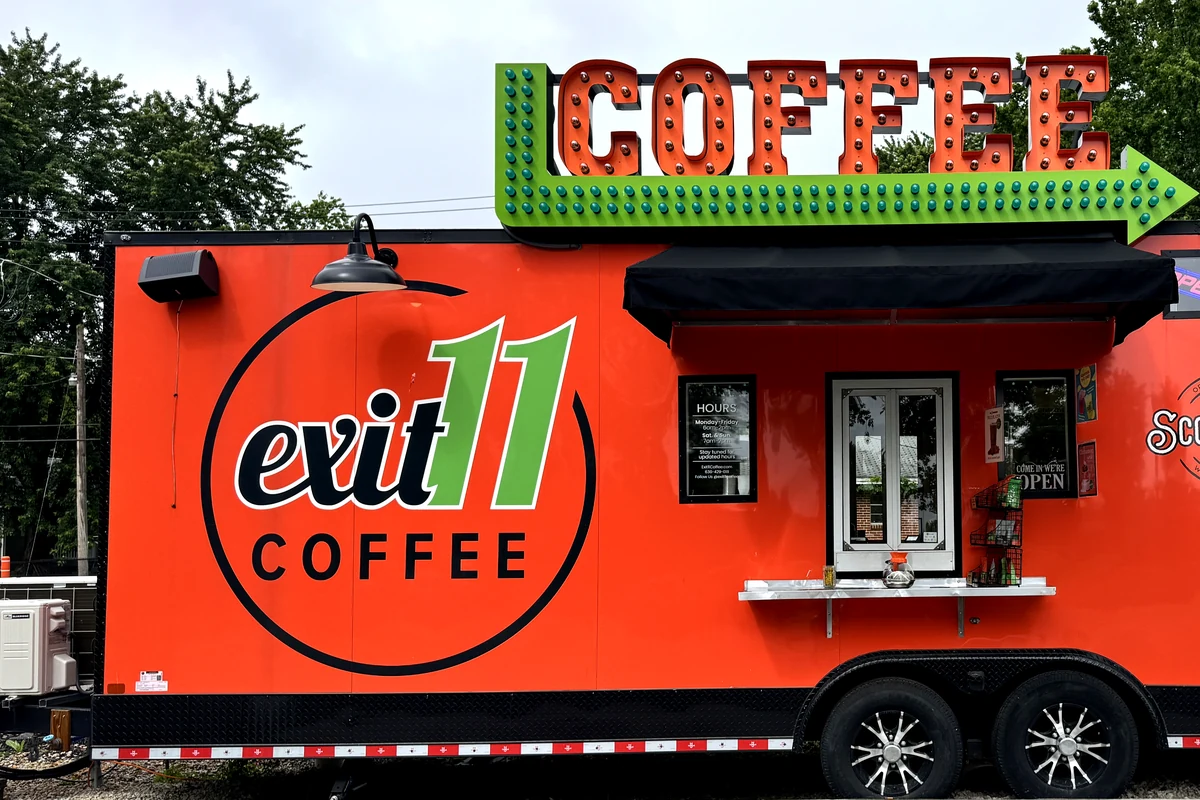
Some stops are about fuel. Some are about coffee. The road has both.
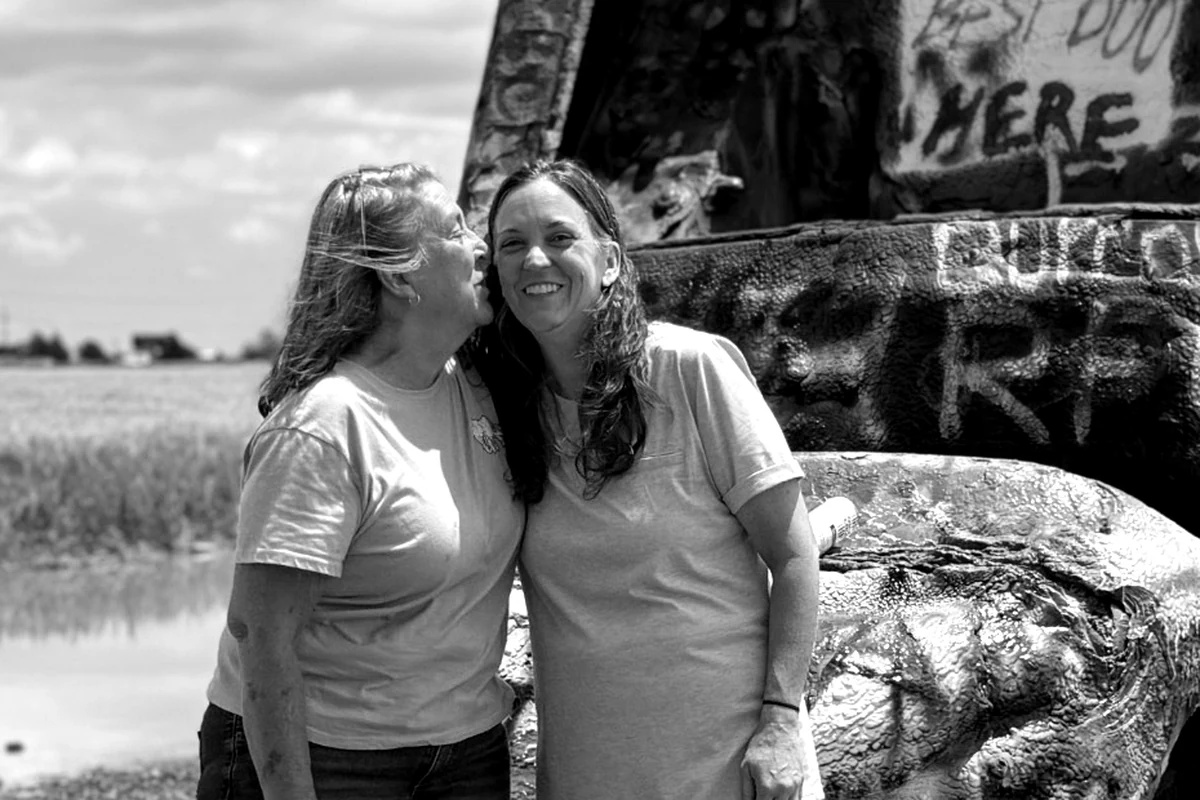
Some Route 66 images carry the same human energy as El Beso.
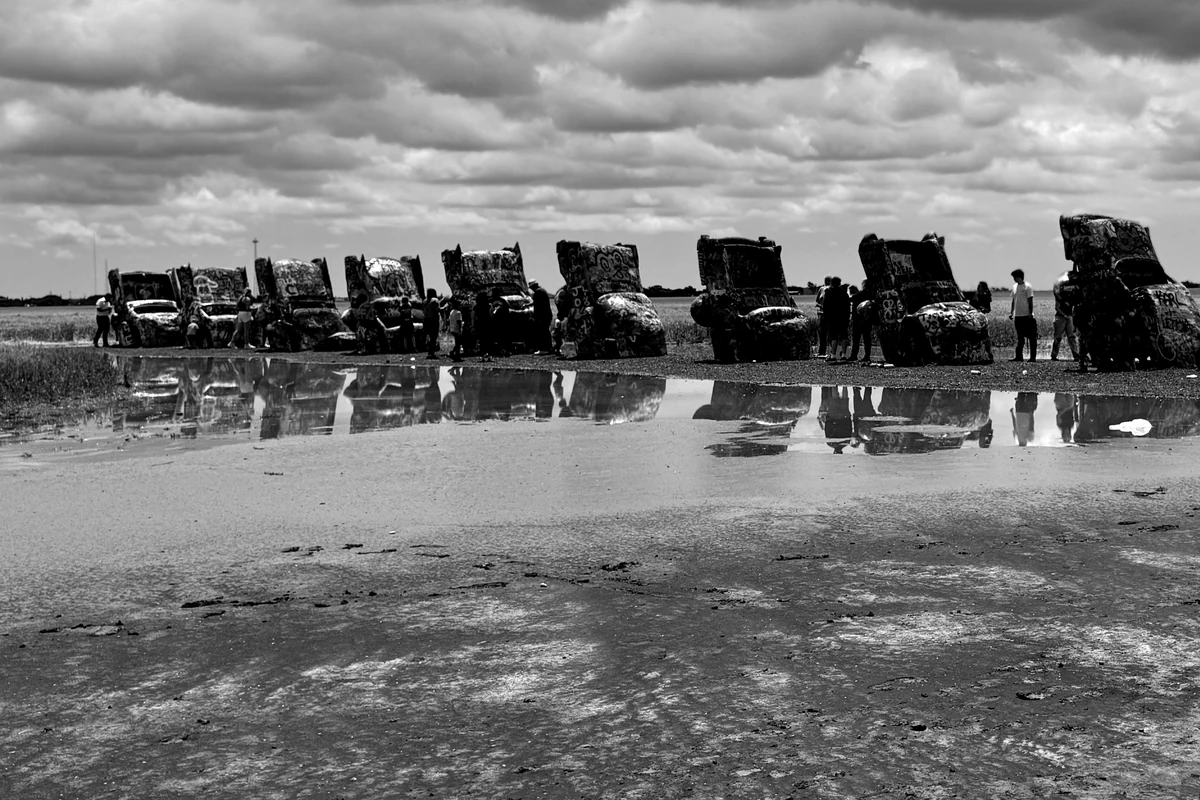
Some miles ask to be remembered in black and white.
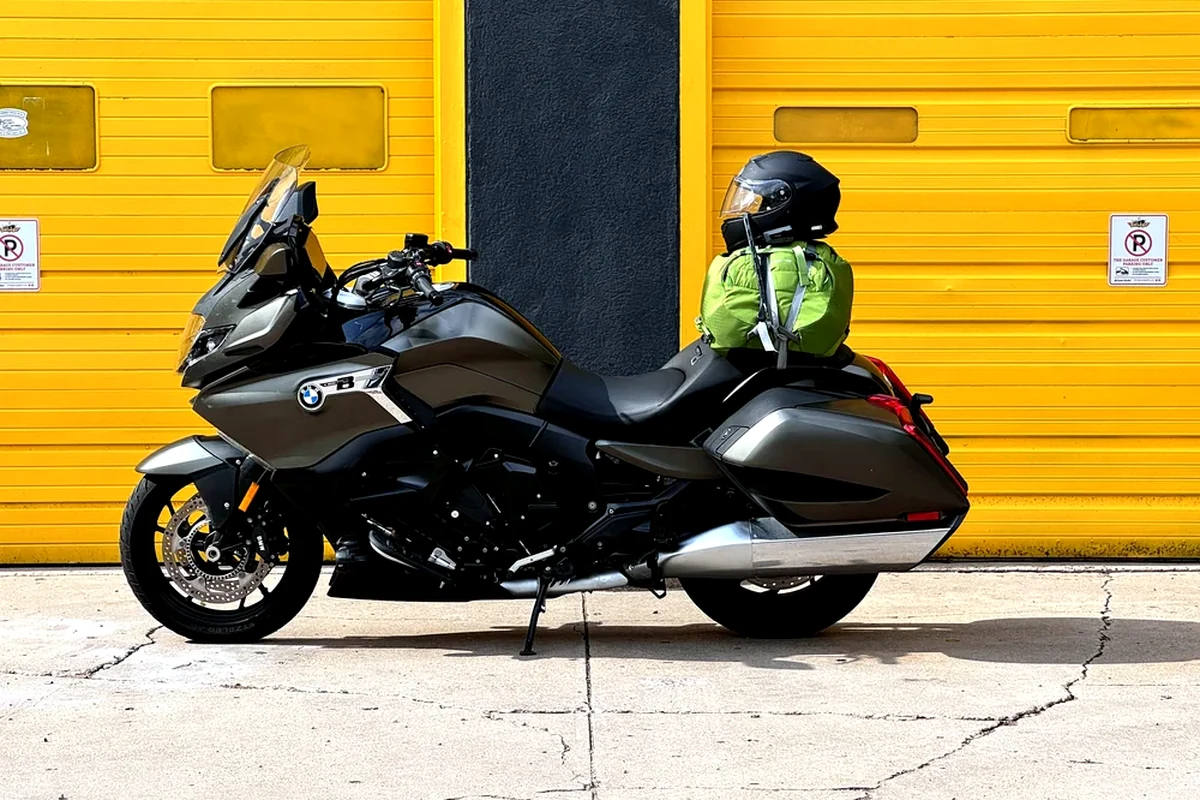
Routes, logistics, rider notes, and the motorcycle side of the project.
Route 66 was commissioned in 1926. That makes 2026 more than another road-trip year. It is the centennial of the Mother Road, and for a rider that changes the assignment. You are not just collecting miles. You are entering a story that has shaped American movement for a century.
RockePhoto carries the visual side: photography, field notes, portraits, coffee stops, quiet mornings, and the moments that make a road feel human. RockeRide carries the motorcycle side: the machine, the route, the miles, the stops, and the rider community around it.
Together, the project becomes a living archive of the ride.
The working concept begins in Amarillo and continues west toward Santa Monica. The route moves through the visual heart of the Mother Road: Texas Panhandle icons, New Mexico neon, Arizona desert towns, the Mojave, and the final arrival at the Pacific.
The goal is not simply to arrive. The goal is to build a ride with enough rhythm to stop, photograph, talk, drink coffee, and let the route tell its own story.
The sponsor idea is simple: become a virtual co-pilot. A sponsor is not only supporting fuel or lodging. They are helping turn a personal ride into a documented visual project that people can follow, share, and remember.
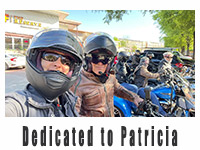
The original Sponsor a Mile idea was not only about funding a ride. It was about carrying people with me. This dedication was created for Patricia, my wife, who passed on April 17, 2024. That memory is part of why this road matters.
Sponsors can dedicate a mile to themselves, a loved one, a business, a rider, or someone they want remembered along the way.
Sponsor a mile, support a coffee stop, help cover part of the ride, or connect your business to the Route 66 story. Supporters help turn the ride into photographs, road notes, short videos, and eventually a digital chronicle of the adventure.
Keep the entry point simple. A small symbolic mile still makes someone part of the ride.
Open support page$10Sponsor a Coffee StopSupport one of the small pauses that keeps the ride alive: coffee, notes, and a road moment.
Open support page$25Sponsor a Photo MileBecome a virtual co-pilot for part of the ride. Add your name or dedication in the support note.
Open support page$50Sponsor a TankHelp cover fuel and practical road logistics for the westward chapter.
Open support page$75Sponsor a Photo StopSupport a planned visual stop: roadside icons, neon, small towns, coffee, and field notes.
Open support page$150+Roadside SponsorFor small businesses, friends, or brands that want to be connected to the Route 66 story.
Open support pageSponsoring a mile supports me and this project directly. It is not a charitable donation and is not tax-deductible.
A photo or short video from the road, dedicated to you or the person you choose.
Your name can appear in social posts, ride updates, the trip blog, or the final project credits.
Special road notes, behind-the-scenes photos, videos, anecdotes, and reflections from the ride.
Early access to the digital trip chronicle created from the adventure after the ride.
A small tangible souvenir after the ride as a personal thank-you when practical.
Support goes to me and to the making of this project — fuel, lodging, coffee, the miles, and the time it takes to photograph a road properly. You are sponsoring a rider and a body of work.
Each sponsor card opens the matching Buy Me a Coffee option. Add your name, dedication, or Route 66 note there so I can connect your support to the right mile or story.
↑ Back to topThis ride is dedicated to Patricia. It is also made alongside two organizations whose work I believe in: Motorcycle Therapy, which uses riding to reduce suicide among veterans and first responders, and the American Foundation for Suicide Prevention.
I don't collect money on their behalf, and I won't. If their work matters to you, give to them directly.
↑ Back to topAs the project grows, Route 66 support can evolve into digital downloads, print-ready pieces, road notes, sponsor updates, and small collections made from the ride.
Short visual notes from selected stops and miles.
The digital trip chronicle promised to supporters and sponsors.
Downloadable images or cards from the ride.
Behind-the-scenes notes for sponsors and supporters.
If you ride and Route 66 has been calling you too, I’d love to hear from you. Maybe you join part of the road, meet at a stop, or ride one stretch and become part of the story.
Use the form to tell me what you ride, where you are located, your experience level, and which section of the route interests you. The goal is a good ride, not a huge group.
Timing, route section, pace, weather, lodging, distance, and riding style all matter. I’ll review interest first and connect directly with riders who may be a good fit.
Yes, potentially. Rider interest depends on route, timing, safety, pace, and fit.
Yes. Small businesses, local stops, and rider-friendly brands can ask about sponsor options.
No. The story is real, but details may change as the 2026 plan develops.
Use Buy Me a Coffee for now. Add Route 66, Sponsor a Mile, or your dedication in the note.